



Empower Mission Critical Energy
Protect your mission-critical environment—from corporate headquarters to remote upstream wellheads and downstream refineries—without disrupting production flows or pipeline integrity. Actionable observability provides the deep intelligence required to manage the complex, distributed infrastructure of the modern oil and gas industry.
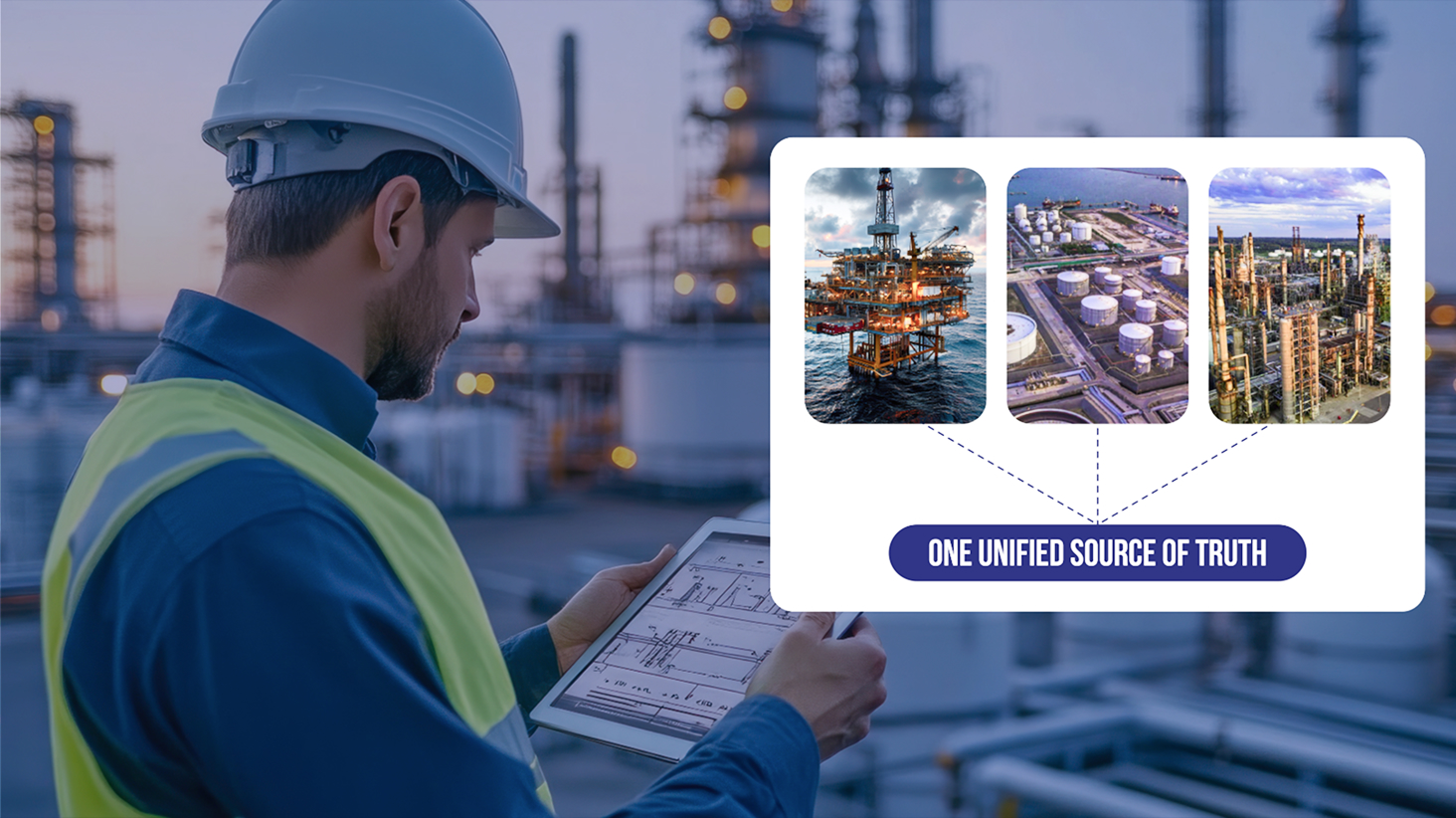
No more fragmented views or manual spreadsheets. Gain a single, live, and continuous view of your interconnected IT, OT, and Cloud assets to maintain mission-critical uptime across pipelines, offshore rigs, and processing facilities.
See how this works in your own energy environment.
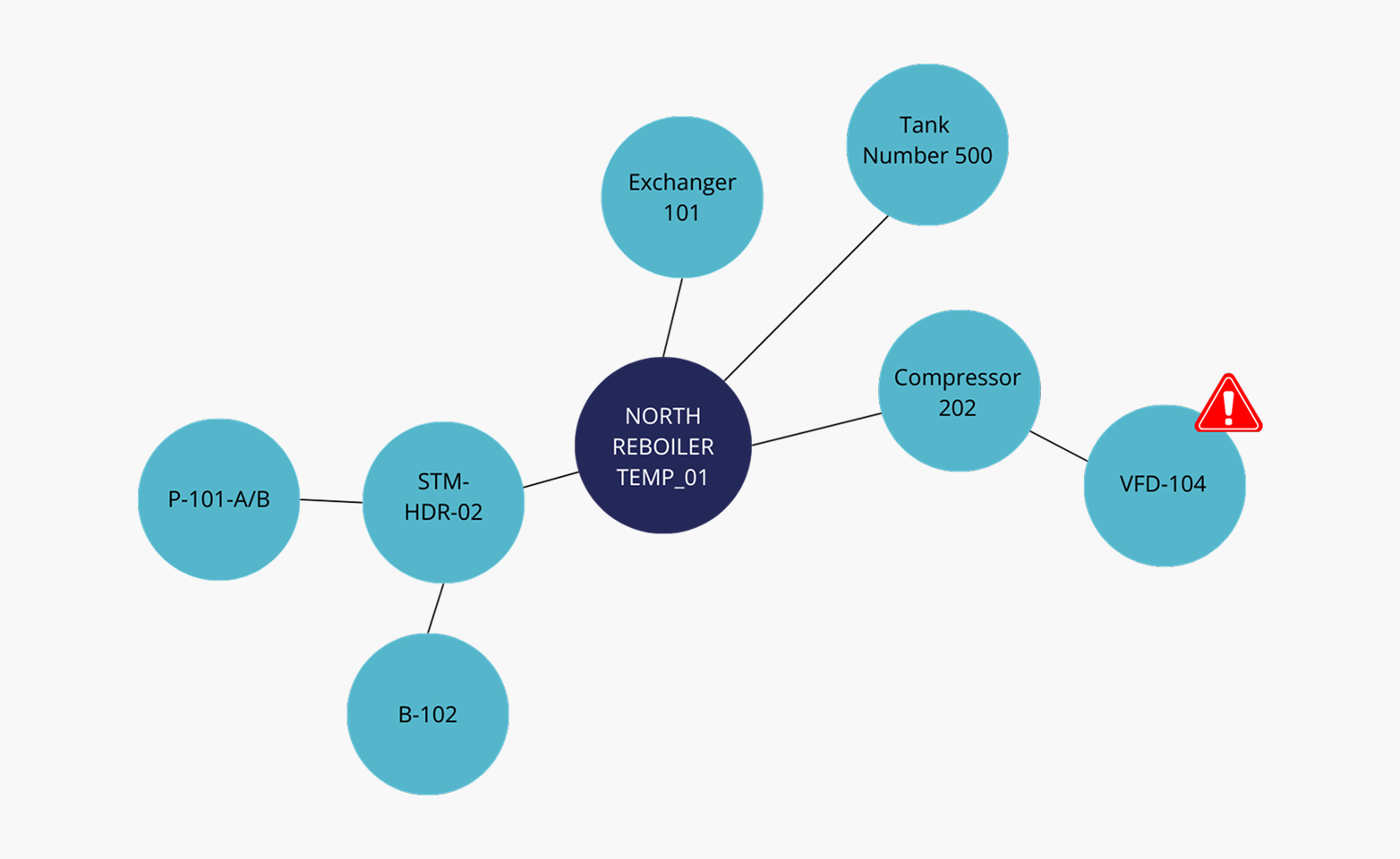
Pinpoint Failures and Map the Blast Radius
Identify the exact cause of any failure across your entire production environment and visualize its full impact to understand how a localized issue at a remote sensor might affect broader midstream distribution.
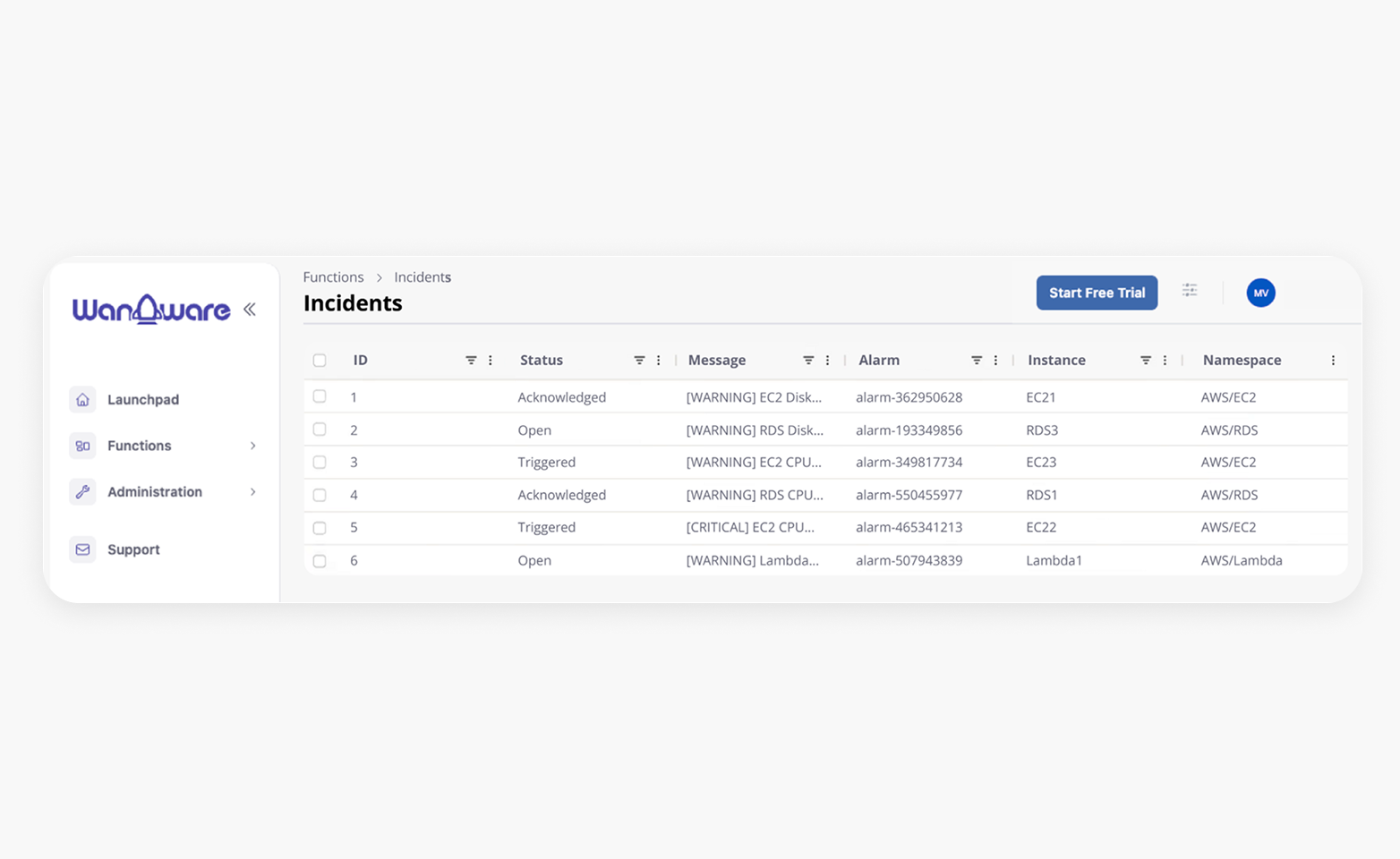
Execute Targeted Response
Empower your teams to patch, segment, and remediate with precision before a performance drop or cybersecurity threat goes system-wide.
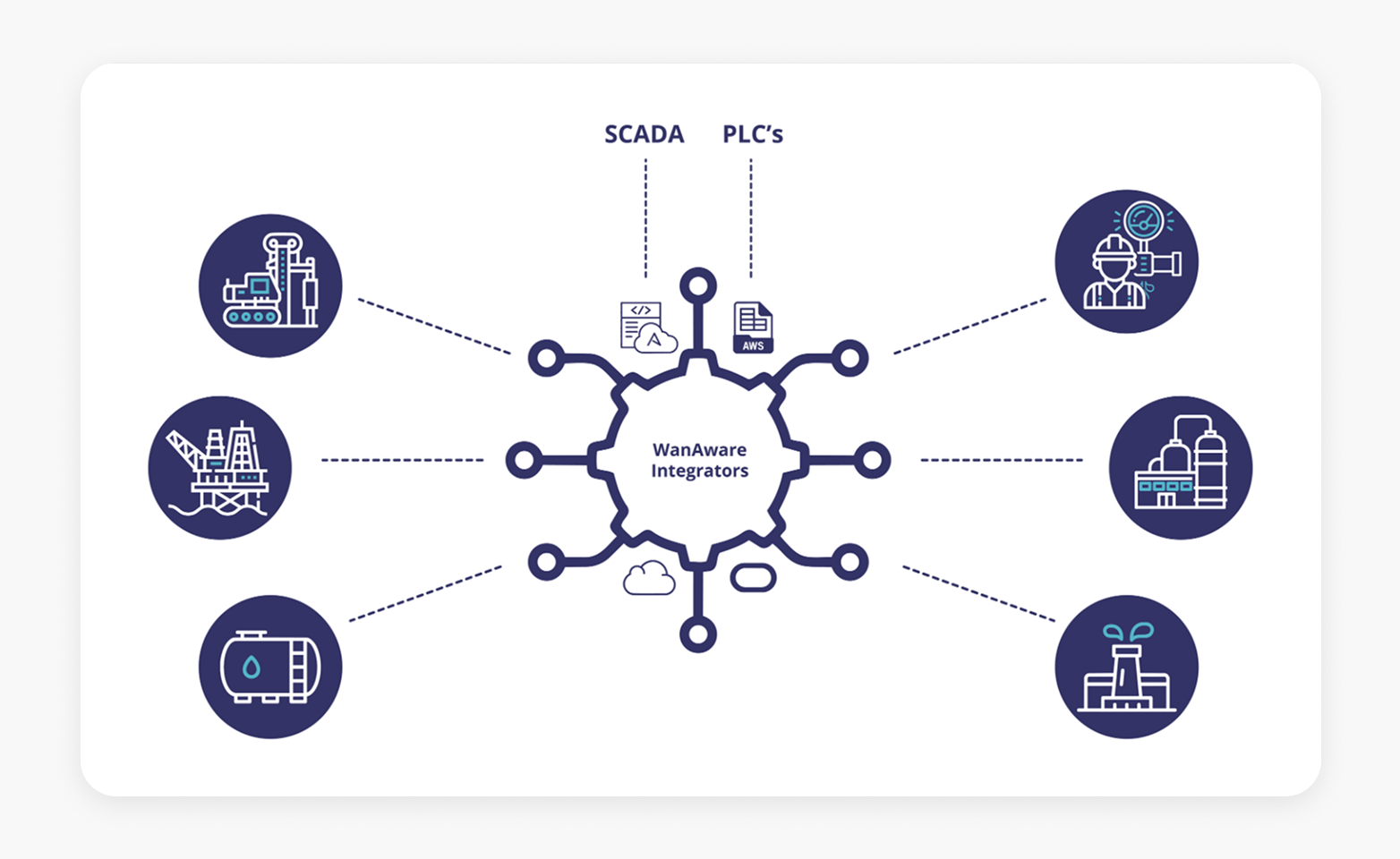
Non-Intrusive Monitoring
Gain deep visibility into sensitive OT equipment like SCADA systems, PLCs, and flow computers without installing agents or risking operational disruptions.
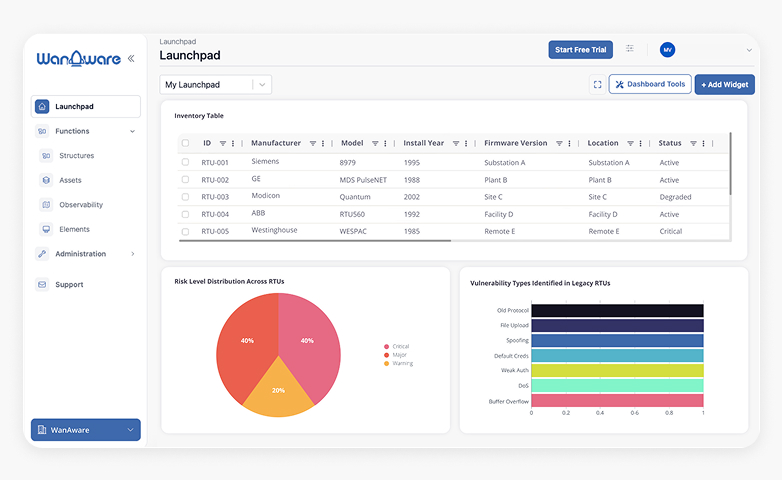
Continuous Legacy Inventory
Maintain a live inventory of decades-old proprietary systems and legacy Remote Terminal Units (RTUs) to identify vulnerabilities before an attacker does.
Intelligence Built for Oil and Gas Infrastructure
Generic IT tools often miss the nuances of high-stakes industrial environments. Get native intelligence designed specifically for the unique protocols and requirements of the oil and gas sector.
- Protocol Intelligence — Interpret low-level communications with native support for industry-specific protocols such as DNP3, Modbus, and IEC 61850.
- Contextual Alerting — Automatically flag deviations, such as an RTU trying to communicate with an external IP address or using a non-standard protocol.
- Automated Triage — Automatically determines which assets are High, Medium, or Low impact based on their specific role in production cycles, refining throughput, and critical infrastructure safety.
- Map the Blast Radius — Visualize the full impact and dependency chain in real-time to understand how a localized failure in a subsea system or pipeline segment might affect the broader supply chain.