



Relationship Discovery Engine (RDE)
Keeps dependencies current so you can isolate cause and scope impact fast.

RDE keeps the WanAware Relationship Graph accurate as your environment changes
It ingests evidence from the systems you already run and from observed system-to-system behavior, then updates dependency relationships automatically. So when an incident or change review starts, you can trace upstream to find what failed first and traverse downstream to see what else is affected, without rebuilding service maps by hand.
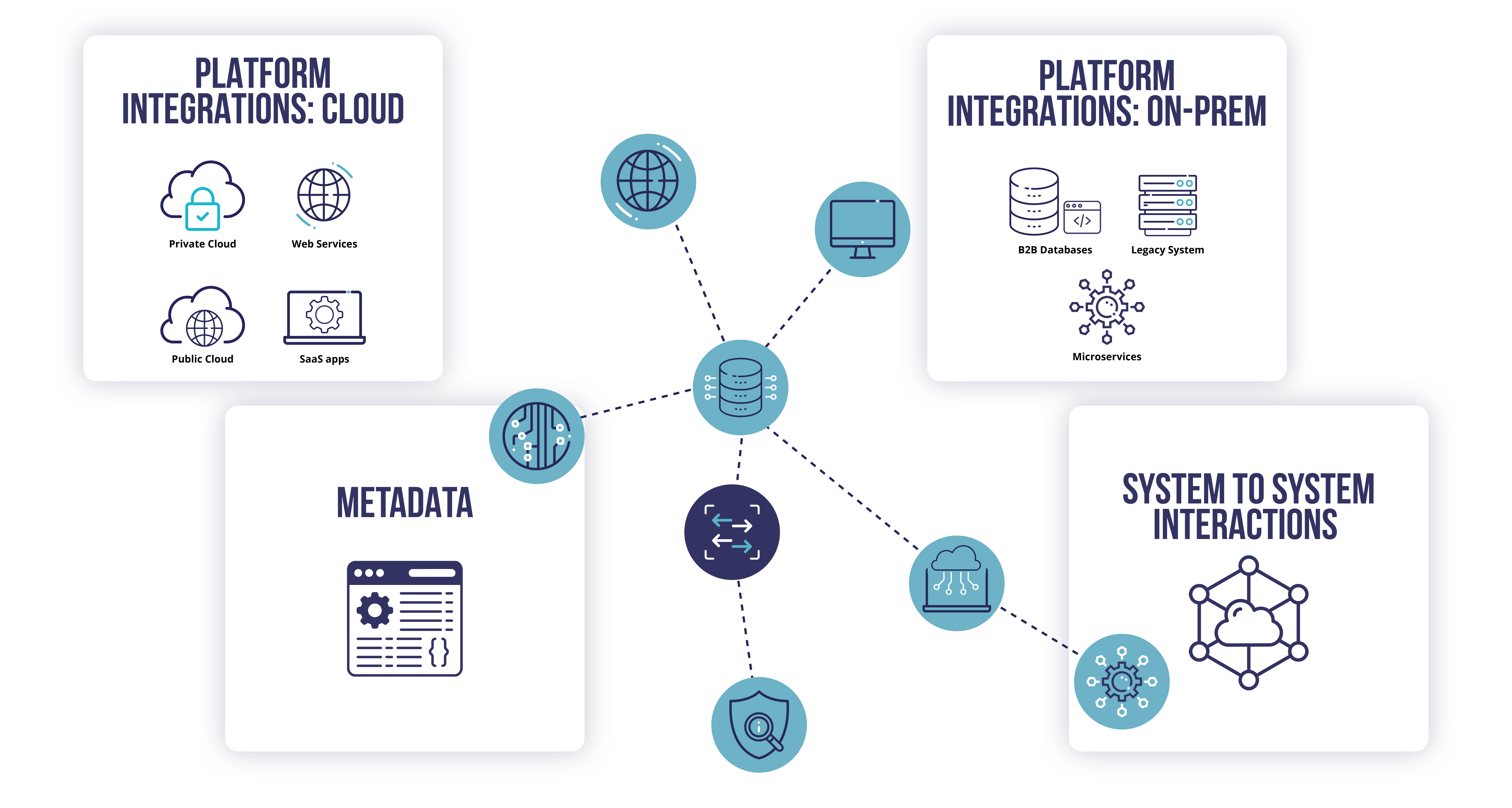
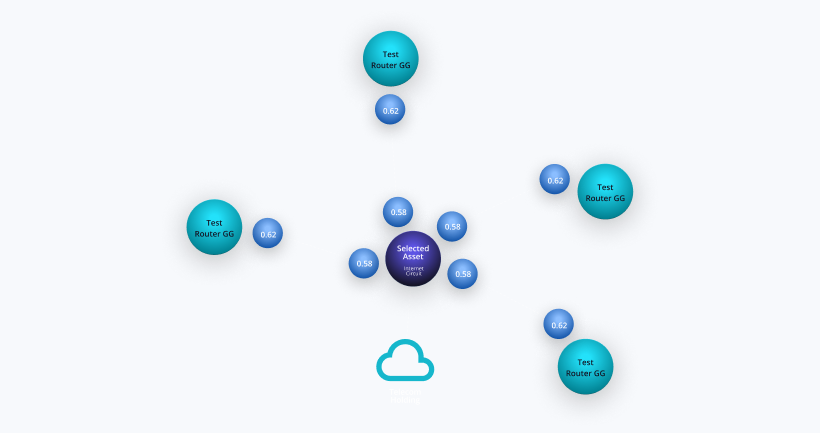



Evidence Sources → RDE → Relationship Graph → Operational Reasoning

Where RDE Fits

AIM discovers assets and keeps inventory current

RDE builds and maintains dependency relationships between assets and services

KDE uses those relationships to reason about cause, impact, and next steps
What the Relationship Discovery Engine Does
RDE continuously builds and updates the Relationship Graph, a live model of assets, services, and “depends on” relationships. It ingests relationship evidence from:
- platform integrations and inventories
- cloud and orchestration metadata
- observed system-to-system interactions
As conditions change, the graph updates too, so dependency answers reflect current state rather than periodic snapshots or static diagrams.
This is not a visualization layer. The graph is the stored data model used for reasoning.
What You’ll See in the Free Trial
In your environment, you’ll be able to:
- See dependencies update automatically as assets move, scale, or change
- Trace dependencies multiple hops upstream and downstream
- Inspect the exact dependency path behind an answer
- Understand downstream impact, including services you did not realize were connected
How RDE Works Under the Hood

Inputs (evidence sources)
- Platform integrations and system inventories
- Cloud and orchestration metadata
- Observed system-to-system communication and dependency signals
- Continuous changes such as scale, movement, and reconfiguration

Processing (what RDE does)
- Normalizes evidence into a consistent hierarchy (assets → collections → service elements → business structures)
- Creates and updates nodes and relationships as evidence arrives
- Deduplicates and reconciles changes as assets scale or move
- Maintains a continuously updated graph used directly for traversal

Outputs (what you can answer)
- Stored nodes and dependency relationships
- Explainable dependency paths (node-by-node chains)
- Multi-hop upstream and downstream traversal
- Impact sets and blast radius beyond immediate neighbors
- Rollups to services and business structures tied to technical conditions
Dependency structure is stored directly, so investigations don’t start from scratch.

Relationship Graph Context
RDE maintains the Relationship Graph continuously so the platform can answer dependency questions by traversing stored relationships. KDE uses that live structure to determine initiating cause, downstream impact, and service-level implications without rebuilding context during incidents.
Why This Matters in Real Operations


Incident Response
Upstream traversal helps isolate what failed first. Downstream symptoms group under the same incident so you do not chase alerts one by one.


Change Planning
Downstream traversal reveals hidden consumers and shared dependencies before you approve a change, reclaim an address, or retire an asset.


Service Health
Component-level conditions roll up to service health without calling an outage when redundancy still holds.
What to Test During Technical Evaluation
Use this checklist to confirm RDE supports operational reasoning, not just a diagram.

Dependency reasoning
- Trace dependencies multiple hops upstream from a known asset
- Identify a shared upstream dependency behind multiple symptoms
- Inspect the exact dependency path behind an answer

Impact and scope
- Trace downstream blast radius beyond immediate neighbors
- Roll technical impact up to services and business structures
- Identify downstream consumers before approving a change

Operational correctness
- Confirm relationships reflect current state
- Separate initiating cause from downstream effects
- Validate service health remains stable when redundancy exists
- Confirm resources with no dependencies can be safely retired

Validate dependency accuracy in your environment
Start the free trial to see relationships populate live and verify traversal depth and impact paths quickly.